

In the Korean entertainment industry, family has long been seen as both a source of strength and a potential liability. Recently, a noticeable shift has emerged as younger celebrities often referred to as the MZ generation begin to firmly separate their personal identities from family-related controversies.
Artists like Jisoo of BLACKPINK and actress Han So Hee are at the center of this changing narrative, drawing attention for their decisive responses when faced with so-called “family risks.”
The issue recently resurfaced when Jisoo became indirectly entangled in allegations involving her older brother. Although the controversy had no direct connection to her, the ripple effect quickly spread across media and online communities.
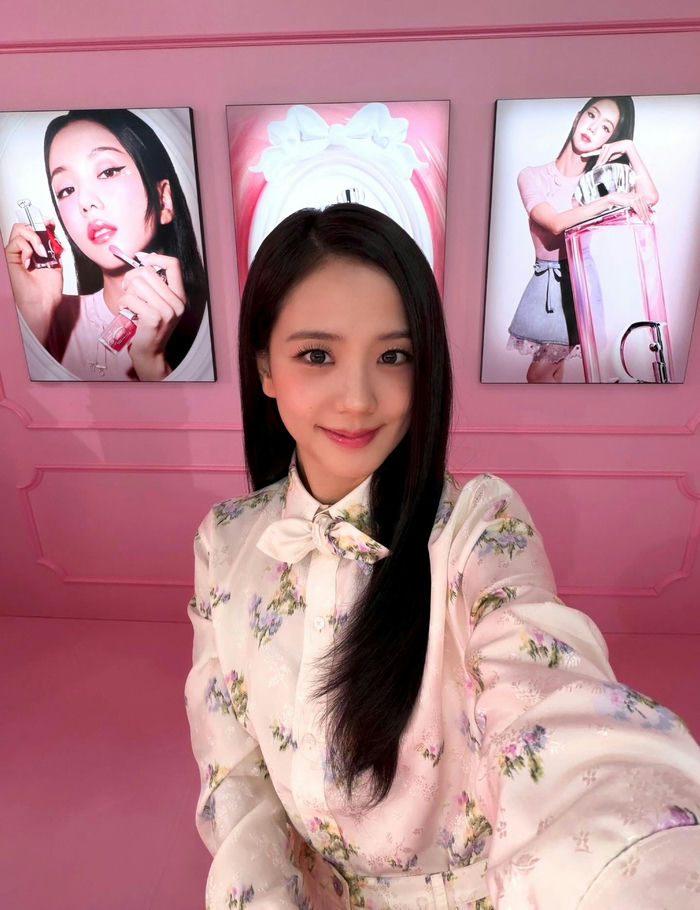
Her agency, Blissoo, released an official statement clearly asserting that the matter was “completely unrelated” to the artist. The statement emphasized that Jisoo had been financially and personally independent from her family since her trainee days, making it impossible for her to be involved in or aware of private family matters.
The agency further clarified that her family has no role in her company’s operations and that there are no plans for financial or legal support moving forward. Industry insiders interpret this as a deliberate move to block any potential damage to her brand by cutting off all possible associations.
Jisoo is not alone in taking this approach. Han So Hee previously faced repeated controversies surrounding her mother’s debt.
At the time, the actress publicly stated that her mother had borrowed money using her name without consent and that she would not take responsibility for the debt. Her response marked a clear boundary between her personal life and her family’s actions.
In the past, it was common for celebrities to apologize or even take financial responsibility for family members’ wrongdoings, despite having no legal obligation. This “moral accountability” was often expected by the public.

However, a generational shift is now evident. Younger stars are prioritizing individual accountability, making it clear that they should not be held responsible for actions beyond their control.
Public perception has evolved as well. Many fans now view such firm responses not as cold or dismissive, but as rational and necessary. High-profile cases involving celebrities like Park Soo Hong and Jang Yoon Jung who faced severe family-related conflicts have contributed to growing awareness about exploitation within families.
This shift reflects a broader cultural change in how celebrity identity is understood. Increasingly, audiences are recognizing the importance of separating an artist’s professional image from their family’s private issues.
When controversies arise, public sympathy often leans toward the celebrity, acknowledging the emotional and financial pressures they may face. Drawing firm boundaries is now seen as a legitimate form of self-protection and even a sign of healthy independence.
As K-entertainment continues to globalize, this evolving mindset may redefine not only how scandals are handled, but also how celebrities maintain their personal autonomy in an industry long shaped by public scrutiny.