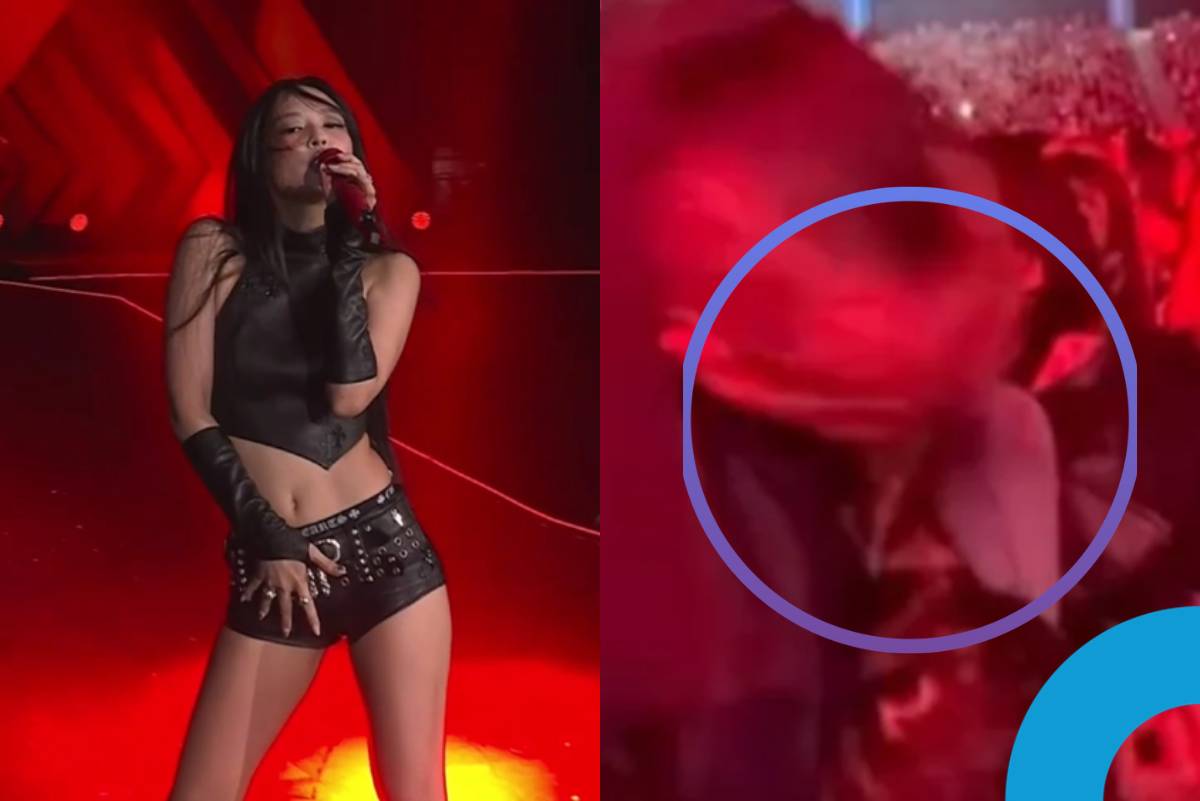

The 40th Golden Disc Awards, held for the first time at Taipei Dome on January 10, drew massive attention not only for its star-studded lineup but also for an on-site security incident that has since gone viral and sparked legal controversy in Taiwan.
During JENNIE’s highly anticipated final performance of the night, a member of the audience was seen using a telephoto “long-lens” camera to take photos. This act violated the event’s clearly stated regulations, which prohibit bringing any recording or photography equipment into the venue, including professional and non-professional cameras, GoPros, and drones. Violators may be required to delete footage, leave the venue immediately, and will not receive ticket refunds.

Footage shared on Threads shows security personnel approaching the man and attempting to seize his camera. The situation quickly escalated into a physical struggle, with the attendee trying to protect his equipment while security forcibly pulled it away and escorted him out of the venue. Witnesses claimed the man allegedly swapped memory cards during the scuffle and tossed one to a nearby accomplice, prompting security to return to the seating area to search for the card before taking him away for further questioning.
The video triggered intense online debate. Some netizens praised the security guards, commenting, “Rules are rules,” “Security did the right thing,” and “Bringing a huge lens ruins the experience for others.” Others, however, criticized the handling of the situation, saying the force used appeared excessive and unnecessary
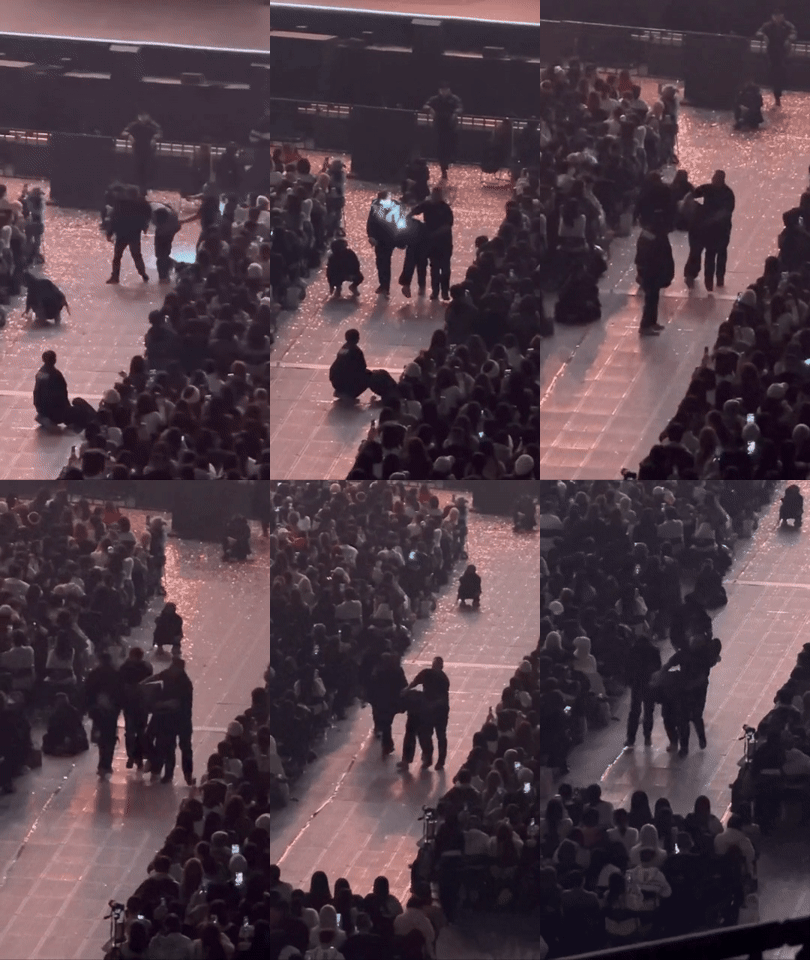
Legal expert attorney Chang Cheng-Hsun (張正勳) weighed in on Facebook, cautioning that while the audience member was clearly in violation of event rules, the security guards’ actions could still cross legal boundaries. He emphasized that event regulations are fundamentally contractual agreements between organizers and attendees—not criminal laws.
According to Chang, security personnel are private employees, not law enforcement officers, and therefore do not possess coercive authority. Their lawful options include requesting the individual to stop recording, asking them to leave, reporting the matter to organizers, or contacting the police. Forcibly grabbing personal property or physically restraining someone, he warned, could constitute criminal offenses such as coercion or even assault under Taiwan’s Criminal Code.

Chang further explained that from the available footage, the attendee did not appear to pose an immediate threat, nor was there an urgent danger requiring physical intervention. As such, dragging or forcibly pushing the individual may violate the principle of proportionality upheld by courts.
“Rules must be followed, but so must authority limits,” Chang wrote. “If you’re not police, don’t act like police. Order isn’t maintained by who’s fiercer, but by who understands the line.”
The incident has reignited broader discussions about crowd control, fan behavior, and the appropriate scope of security enforcement at large-scale international events. While many agree that rule-breaking photography disrupts concerts and infringes on artists’ rights, others argue that enforcement should never come at the cost of potential legal violations.
As debates continue, the Golden Disc Awards camera incident stands as a reminder that even in high-profile entertainment events, the balance between maintaining order and respecting legal boundaries remains a delicate one.