

As K-pop continues to solidify its position as a global cultural industry, influence is no longer measured solely by chart rankings but by an artist’s ability to shape trends, command live audiences, and sustain international relevance. In 2025, that distinction belongs to G-Dragon, Stray Kids, and BLACKPINK’s Rosé, according to a professional industry survey conducted by News1.
The results were compiled from votes by 34 industry experts, including CEOs and senior executives from major Korean entertainment companies, offering a rare insider perspective on who truly moved the K-pop ecosystem this year.
1. G-Dragon: The Return of a Cultural Architect
Taking the top spot, G-Dragon was widely regarded as the defining force of K-pop in 2025. Experts described his year as a “complete return to form,” marked by influence across music, fashion, live performance, and popular culture.
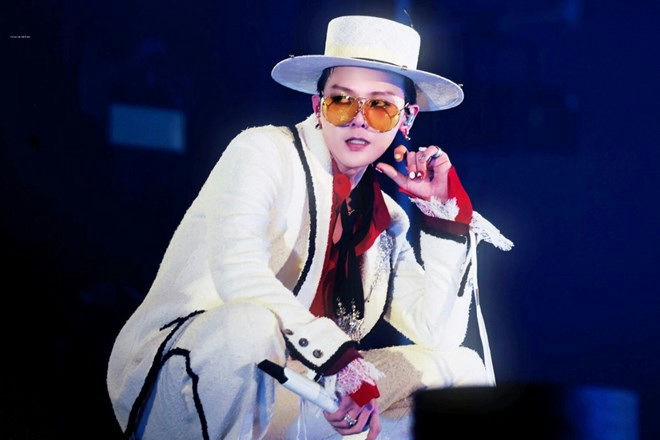
Key milestones cited include his global Übermensch World Tour, which launched in March, and his receipt of the Ok Gwan Order of Cultural Merit in October one of South Korea’s highest honors for cultural contribution. Industry insiders emphasized that G-Dragon’s impact lies not only in artistic quality, but in his unrivaled ability to create trends, a trait that remains synonymous with his brand even after periods of hiatus.
One executive noted that “every move he made this year became a talking point,” while another highlighted his consistent cross-industry presence and sold-out concerts that closed the year on a high note. His dominance was further cemented at the Melon Music Awards, where he swept major categories, including Artist of the Year.
2. Stray Kids: Stadium Power and Global Touring Force
Finishing a close second just one vote behind G-Dragon Stray Kids were recognized for their explosive growth as a live-performance powerhouse.

Experts pointed to the group’s largest world tour since debut, which featured sold-out stadium shows across multiple key global markets. Their ability to draw massive crowds consistently positioned them as a leading example of how fourth-generation idol groups are conquering the international stage through live performance rather than domestic-only metrics.
Survey participants highlighted Stray Kids’ ticket-selling power as a defining strength, noting that their touring success reflects not just fandom size, but sustained global demand an increasingly important indicator of long-term influence in the K-pop business model.
3. Rosé: Solo Reach with Enduring Brand Value
Securing third place, Rosé of BLACKPINK stood out as the highest-ranking female solo artist in the survey. Experts credited her global hit APT. and her continued international visibility throughout 2025 as key factors in her selection.

Rosé was praised for balancing solo activities with the accumulated brand power of BLACKPINK, resulting in both commercial impact and public familiarity. Industry voices described her influence as “steady and durable,” emphasizing her ability to maintain cultural relevance across music, fashion, and global media without overexposure.
Her presence in the top three reflects a broader industry acknowledgment that individual brand strength especially when paired with group legacyhas become a major driver of influence in modern K-pop.
As K-pop continues to evolve into a mature global industry, these artists represent different but equally powerful models of influence legacy leadership, performance-driven expansion, and brand-based longevity setting benchmarks for the next generation.