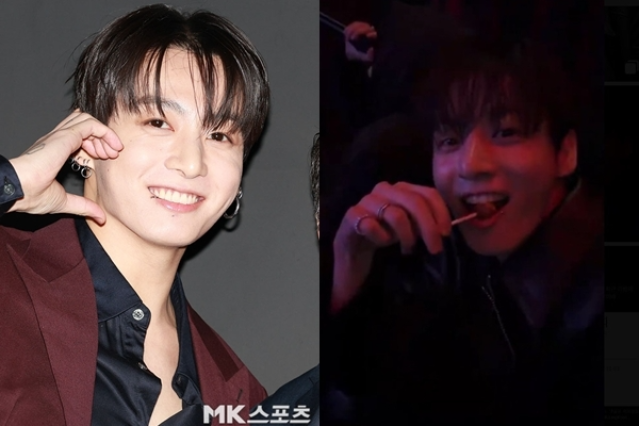

BTS member Jungkook set off a heated public debate after openly expressing frustration during a late-night live broadcast, where he used strong language, admitted to having smoked in the past, and spoke candidly about feeling constrained by his agency.
What makes the situation particularly striking is the divided reaction from the public and fandom. In the past, such behavior might have severely damaged an idol’s reputation. This time, however, many voices have questioned whether South Korea’s unusually strict moral expectations toward idols are suffocating grown artists in their 30s.
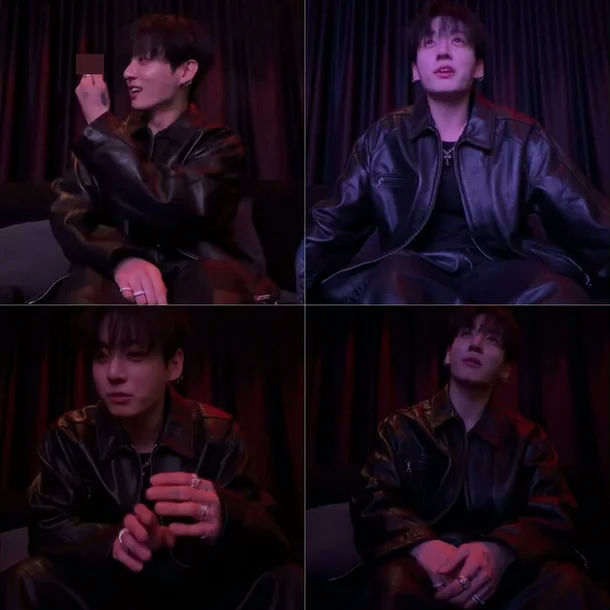
During the early hours of February 26, Jungkook went live on Weverse, speaking unfiltered about smoking, swearing, and the pressure of being managed. “I’m 30 why can’t I talk about this?” he said, referring to smoking. “I’m a human being,” he added. At one point, he remarked, “If it weren’t for the company, I’d want to say everything.” His comments felt less like drunken rambling and more like an emotional outburst from someone exhausted by living as a carefully scripted “idol.”
Online reactions quickly poured in. Many commenters expressed empathy, arguing that the moral standards imposed on K-pop idols are excessively harsh. One netizen wrote, “The moral yardstick Korean society uses for celebrities especially idols is too severe. He must have felt suffocated.” Another pointed out that Jungkook’s tattoos and piercings already reflect a free-spirited personality that may clash with rigid public expectations and tight agency management. “Even if you’re not a BTS fan, a 30-year-old adult should be allowed to vent like that,” the commenter added, earning widespread agreement.
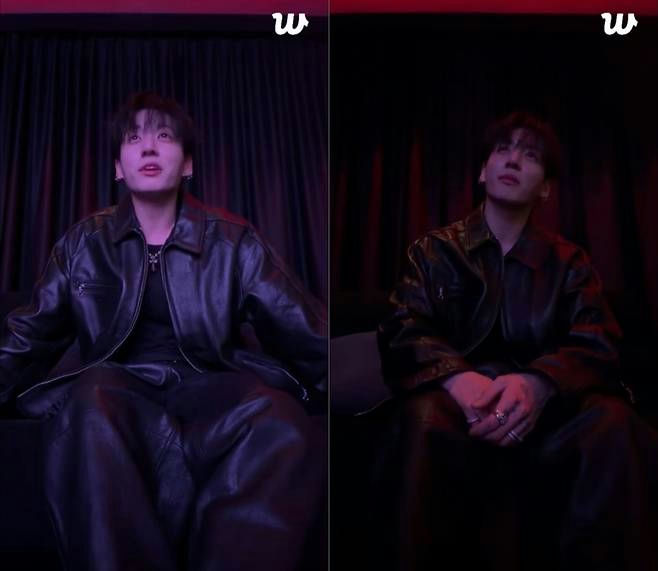
Still, some fans voiced concern over his choice of words. “No matter how stressed he is, using profanity and making rude gestures on a public broadcast crossed a line,” one wrote. Others worried about the impact on BTS’s upcoming activities and solo promotions. “Freedom and recklessness aren’t the same. As an idol, at least maintain a basic filter,” another commented cautiously.
Yet the louder sentiment appears to be support for “human Jungkook.” Many argued that his emotional honesty outweighed the controversy. “If he exploded like that in front of the world, he must have been holding it in for a long time,” one user said. “Why should a 30-year-old man feel nervous about admitting he smoked or swearing out of stress? That’s not a crime.” Critics of the system argue that even global superstars like Jungkook are still treated like minors whose every move is monitored, revealing what they describe as the rigid underbelly of the K-pop industry.
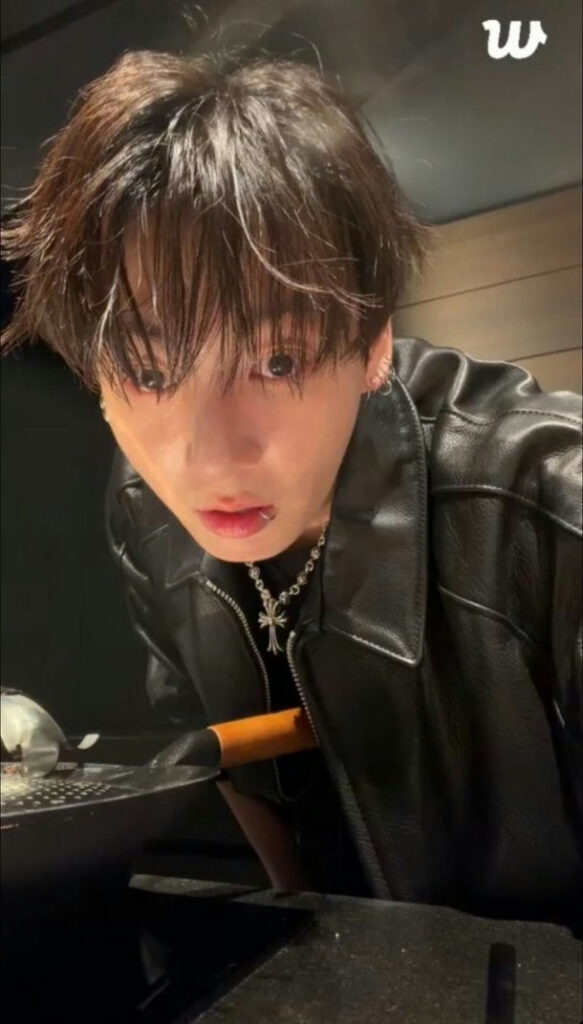
After ending the broadcast, Jungkook posted on Weverse that he intends to live life on his own terms and asked for support, making it clear he did not regret going live.
The incident may mark a turning point in how the public consumes idols. Fans no longer necessarily demand flawless, porcelain-perfect figures. Instead, many seem more willing to embrace vulnerability an artist who feels pressure, anger, and frustration. Jungkook’s raw, if risky, display has sparked less condemnation than reflection, highlighting an evolving conversation about authenticity, adulthood, and the moral framework surrounding K-pop idols.