

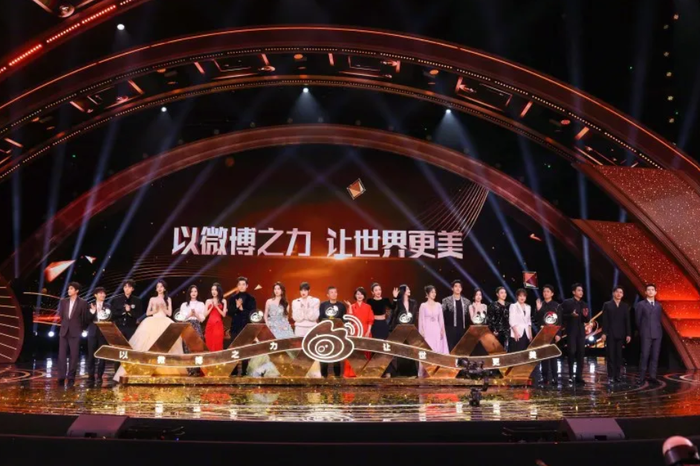
At Weibo Night 2026, an event gathering some of the biggest names in Chinese entertainment, the most talked-about moment had nothing to do with awards or red carpet fashion. Instead, it was a subtle change in seating arrangements inside the auditorium that ignited widespread controversy and placed Yang Mi at the center of one of her most intense public debates in recent years.

According to circulating images on social media, the coveted “golden triangle” seats in the second row were initially assigned to Venice Best Actress winner Tan Zhuo at the center, flanked by Yang Mi and Xiao Zhan. The arrangement was widely seen as balanced—pairing artistic credibility with top-tier popularity. However, shortly before the event began, Xiao Zhan’s nameplate was reportedly removed and relocated to a nearby section, turning the three-seat focal point into a two-seat arrangement. The small adjustment quickly snowballed into a viral topic.
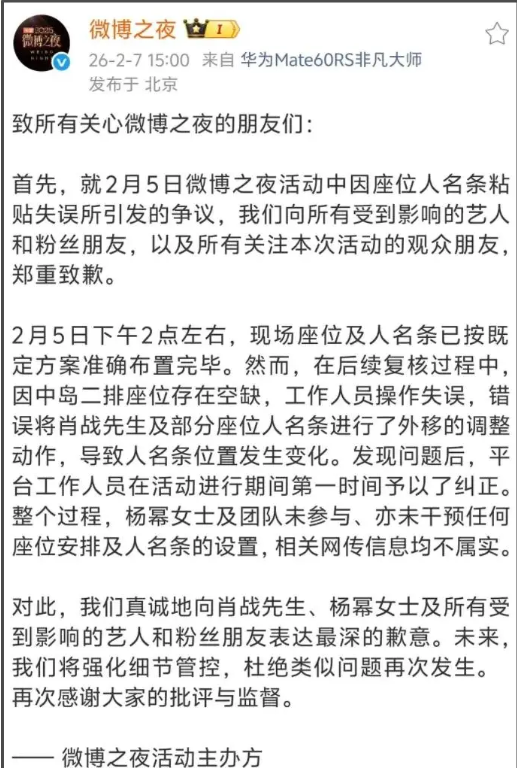
Although organizers issued a formal apology, attributing the incident to a “technical mistake” by staff responsible for nameplates, many netizens found the explanation unconvincing. At high-profile award ceremonies, seating positions symbolize status and industry recognition. A “technical error” in such a prominent area struck observers as implausible. As the celebrity who remained in the highlighted position, Yang Mi became the primary target of criticism, despite her team denying any involvement in the change.
The controversy did not stop at a single chair. Within hours, old criticisms resurfaced—past accusations of “center-position grabbing” on red carpets and even a years-old backstage livestream incident involving a staff member’s dropped phone were brought back into discussion. Most notably, her 2018 charity controversy—linked to a delayed donation pledge for visually impaired students following a film project—was once again dissected online. Though Yang Mi’s side explained the delay as an issue with an intermediary and later fulfilled the pledge, the perception of inconsistency lingered in public memory.

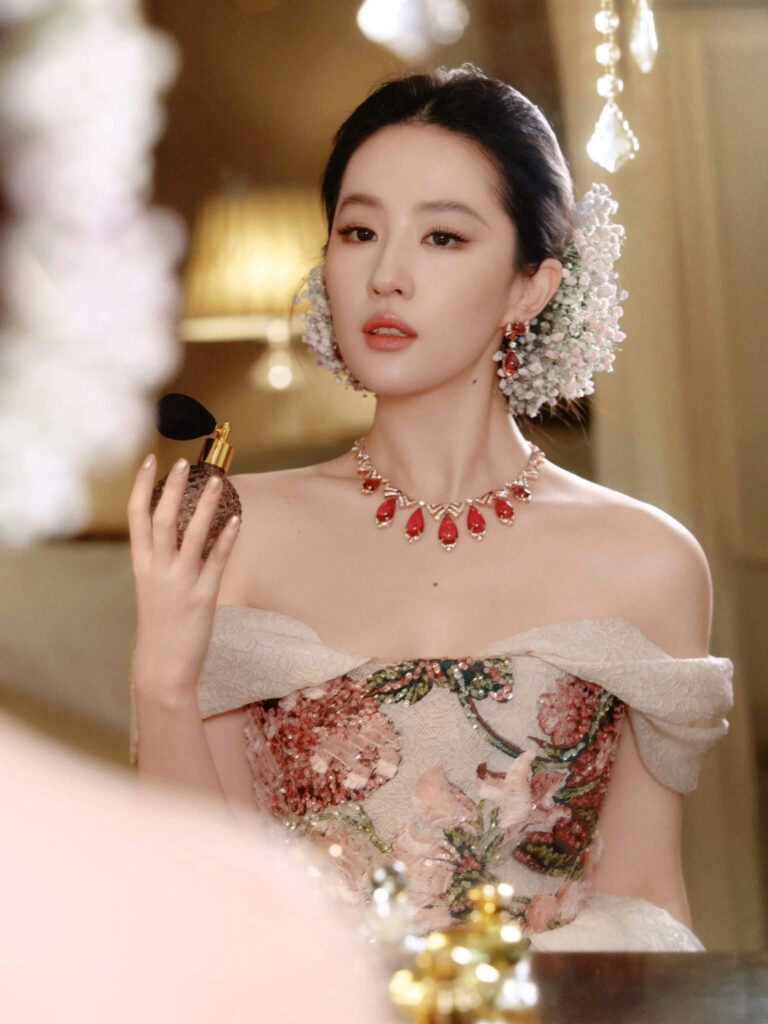
Amid the heated debate, a past interview clip of Liu Yifei resurfaced and quickly went viral. In the interview, she stated, “Some actors stop honing their craft after becoming famous, choosing instead to chase glory and titles.” The quote, when juxtaposed with Yang Mi’s current controversy, sparked intense comparisons across social media.
There is no denying Yang Mi’s status as one of the most influential post-80s generation stars in China. From Palace (Gong Suo Xin Yu) to Eternal Love (Ten Miles of Peach Blossoms), she built a formidable fanbase and commercial empire. However, in an era where audiences are increasingly critical and awards bodies emphasize performance depth, traffic and popularity alone are no longer sufficient.
In contrast, actresses like Liu Yifei and Zhao Liying have recently gained praise for carefully selecting scripts and pivoting toward more artistically ambitious projects. This shift highlights a growing divide in Chinese entertainment between “traffic-driven stardom” and “performance-based credibility.”

The situation intensified further when several unofficial media outlets prematurely “congratulated” Yang Mi on an award nomination before the official shortlist was released—only for her name to be absent from the final list. While there is no evidence linking her directly to the premature publicity, the backlash inevitably added to her public relations challenges.
Ultimately, the debate goes beyond who was right or wrong in a seating mishap. It reflects a broader industry shift. In an environment where actors are increasingly judged by artistic merit, any controversy related to symbolic status—especially involving the coveted “center position”—can quickly reignite past narratives.
Chinese cinema and television are entering a transitional phase, one that demands tangible achievements, meaningful roles, and sustained professionalism. Popularity may create instant spotlight, but it is the body of work that defines longevity.
Yang Mi still has opportunities ahead. The entertainment industry has witnessed remarkable comebacks from artists who chose to respond with stronger projects rather than public statements. If anything, the renewed circulation of Liu Yifei’s remarks serves less as a personal attack and more as a reminder: in the long run, audiences remember performances—not seat numbers.